Filters
Gas Filters
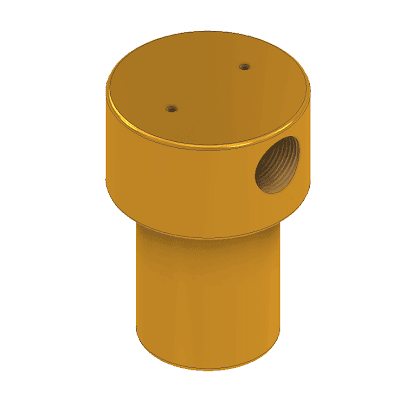
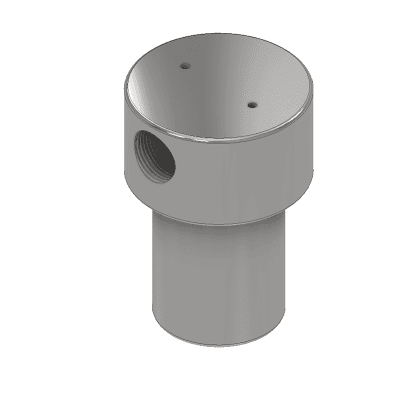
Our range of in-line gas filters is designed to protect regulators, valves, analysers and other downstream equipment from particulate contamination in gas systems. Available in brass and 316L stainless steel construction, these filters are suitable for a wide range of industrial, laboratory and high-purity gas applications, including a dedicated stainless steel filter for ammonia service. Connection sizes range from 1/4" to 1", with filtration ratings down to 0.01 micron for applications where gas cleanliness is critical.
Choosing the right filter depends on the gas being used, the required line size and the level of filtration needed. Brass filters are typically used for standard industrial gases, while 316L stainless steel filters are preferred for corrosive gases, high-purity applications and more demanding operating environments. Inlet ratings are 60 bar across the range and 15 bar on the ammonia filter, with the flanged stainless steel versions rated to their flange standard. The product pages carry the full specifications, connection sizes, pressure ratings and filtration grades, to help you select the most suitable filter for your gas system.
Filters by Type
Common questions
- What does a gas filter actually remove?
- These are particulate filters. They take solid particles out of the gas stream, down to the rating given for each unit. They do not change the chemical composition of the gas and they will not improve its purity grade. Their job is to keep particles away from regulators, valves and instruments, where they cause wear, sticking seats and false readings.
- What is the difference between a filter and a purifier?
- A filter removes particles that are physically carried in the gas. A purifier removes chemical impurities such as moisture, oxygen or hydrocarbons, by adsorption or reaction. The units on this page are filters. If your specification calls for a purity level in parts per million rather than a particle size in microns, that is a purifier and a different product.
- How do I know whether my line needs a filter at all?
- The usual reasons are an instrument or process that is sensitive to particles, equipment downstream that is expensive to strip and clean, or a supply that has already caused trouble. Gas leaves the cylinder clean, but pipework, fittings and every cylinder change introduce particles. If a regulator or a valve has already failed on debris once, the case is made.
Not sure what you need?
Send us the gas, the pressure and the connection and we will come back with the right unit.
Contact Us